
Information Architecture Redesign & Design System
Role: UX Designer
Responsibilities
UX Research
Workshop Facilitation
Information Architecture
Wireframing
Prototyping
User Testing
Design System
01 // PROJECT OVERVIEW
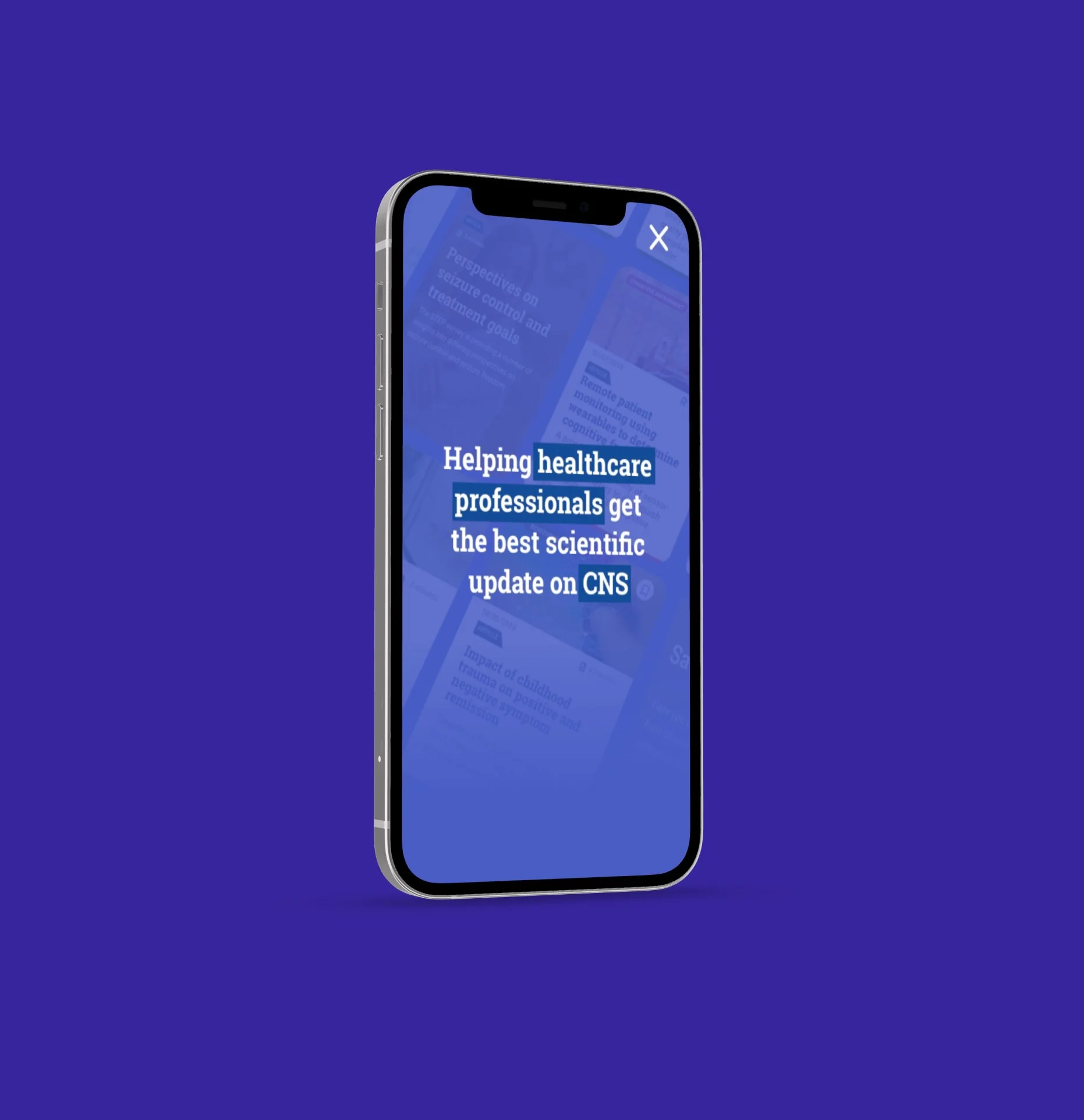
Harmonia Mentis is a digital platform developed by Angelini Pharma to support healthcare professionals working in the field of mental health.
The project aimed to redesign and expand the existing platform, creating a scalable information architecture capable of supporting multiple countries while providing relevant, personalized, and easily accessible content for different medical specialties.
02 // CHALLENGE
As the platform evolved, the existing structure no longer fully supported the needs of its users.
The challenge was to reorganize content, identify new opportunities for information delivery, and create a scalable architecture capable of supporting different user needs across several European markets.
Key challenges included:
Improving content discoverability
Reducing information overload
Supporting different medical specialties
Enabling content personalization
Creating a structure suitable for future growth
03 // DISCOVERY WORKSHOP
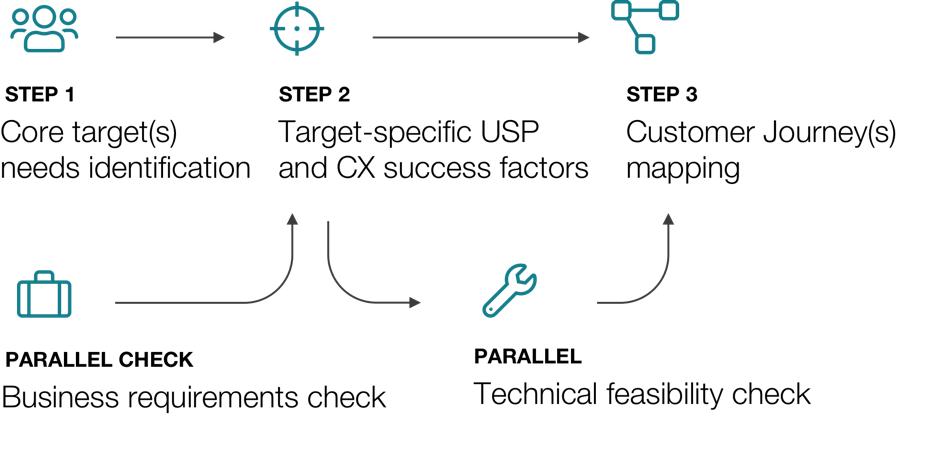
To define a scalable platform capable of serving healthcare professionals across multiple countries, we conducted a series of remote co-design workshops with stakeholders from eight Angelini Pharma markets: Italy, Spain, Poland, Czech Republic, Austria, Portugal, Turkey, and Russia.
The objective was to identify target users, understand their needs and pain points, and establish a shared vision for the future platform.
Workshop Structure
Each workshop followed a structured framework composed of three main phases:
1. User Identification
Participants identified the primary healthcare professionals that could benefit from the platform.
The main user groups that emerged were:
Psychiatrists
General Practitioners
Neurologists
Young Doctors & Medical Students
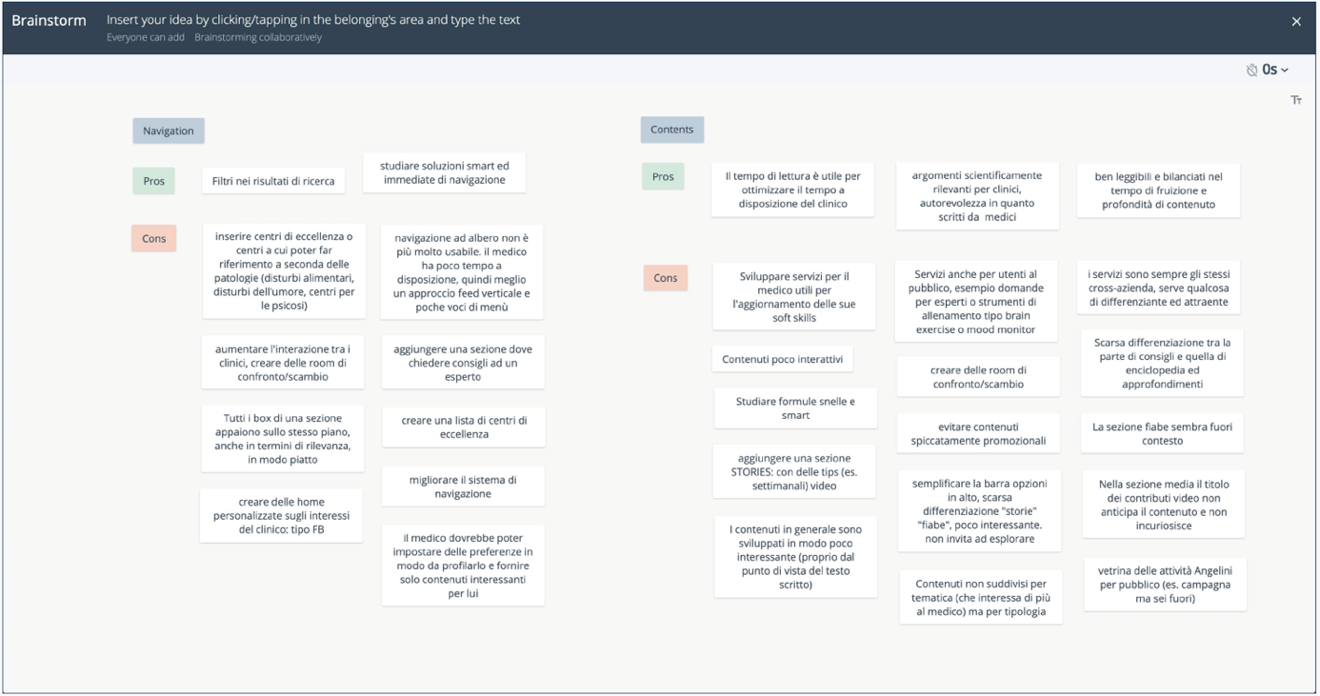
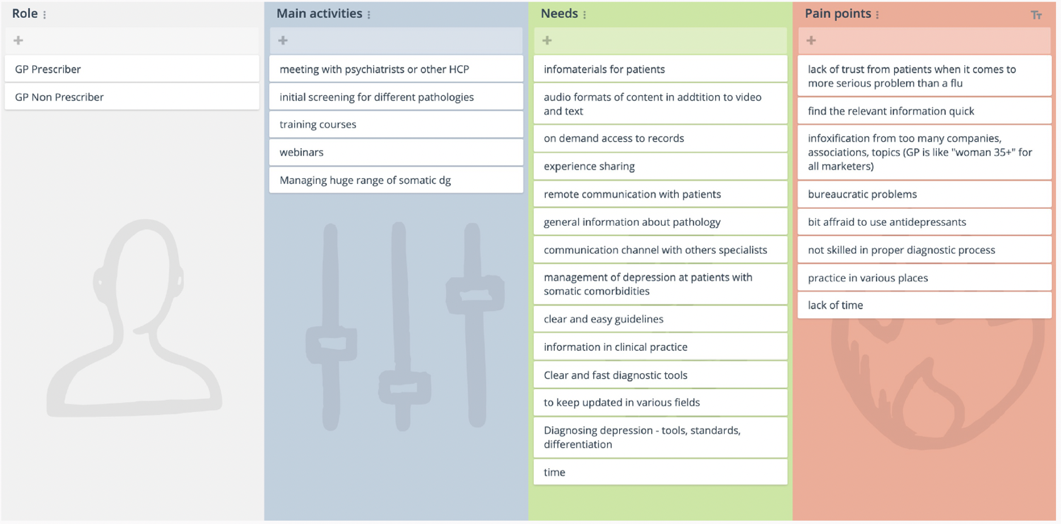
2. Activities, Needs & Pain Points
Through collaborative exercises, participants mapped:
Daily activities
Professional goals
Information needs
Existing frustrations and challenges
This phase helped uncover common challenges shared across countries and specializations.
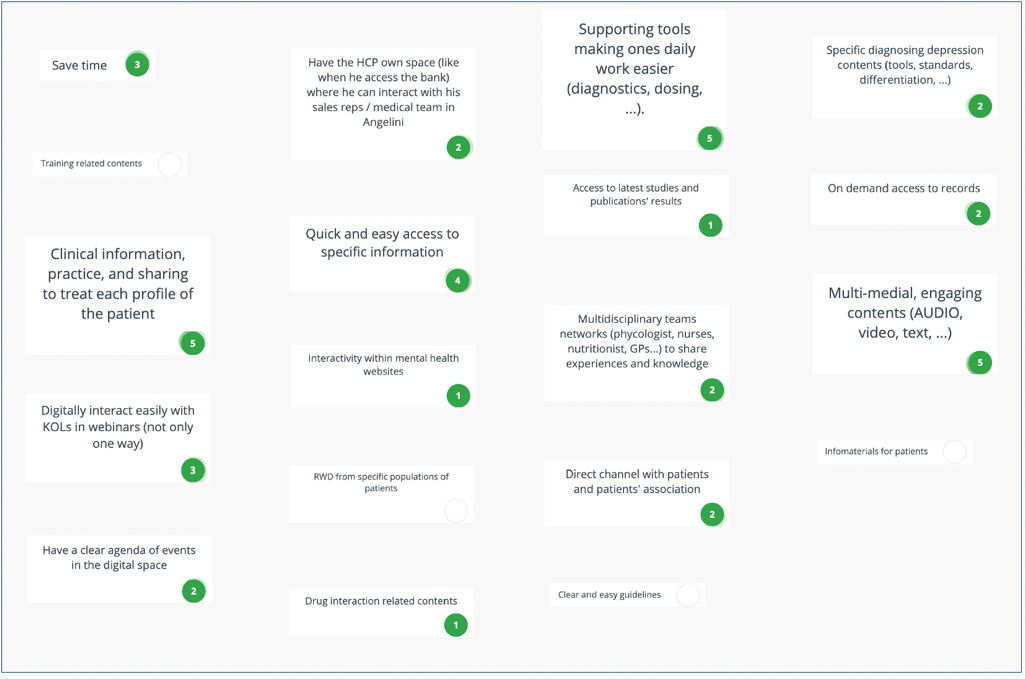
3. Prioritization
Needs and opportunities were then voted on collectively to identify the most valuable areas for future development.
04 // INFORMATION ARCHITECTURE
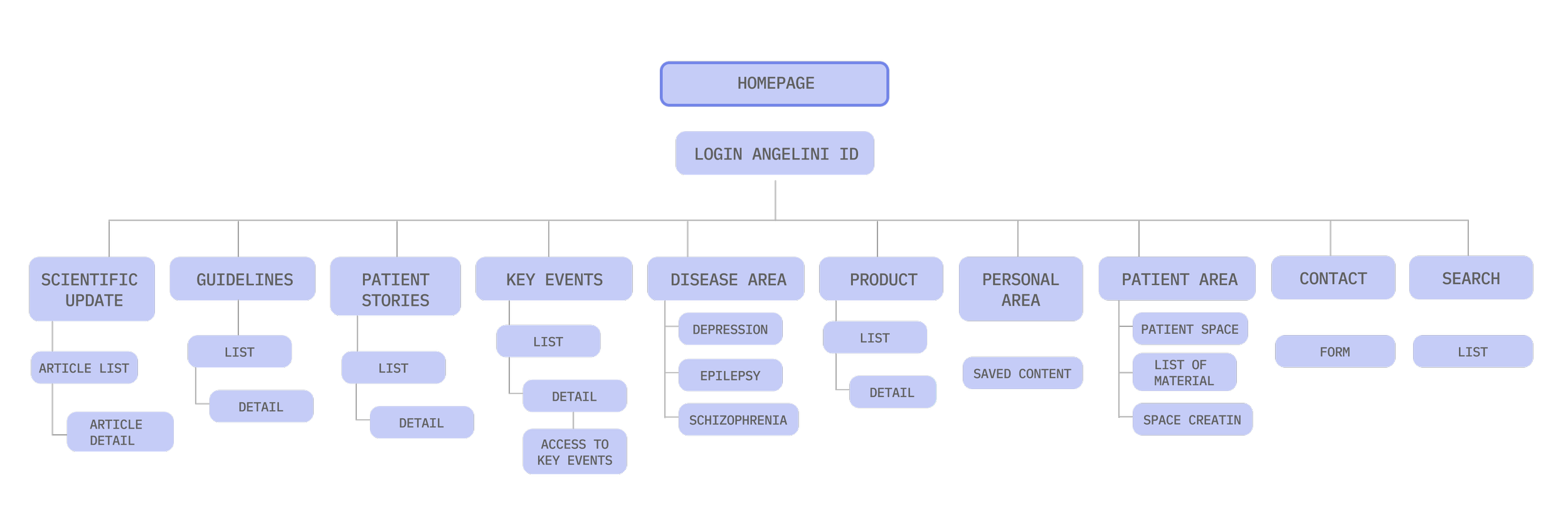
InInsights gathered during the discovery phase informed the redesign and expansion of the platform's information architecture.
The objective was to simplify navigation, improve content discoverability, and create a more personalized experience for different user profiles.
As part of the redesign, six new sections were introduced:
Patient Stories
Key Events
Disease Area
Product
Personal Area
Contacts
The resulting architecture provided a scalable framework capable of supporting future content growth and localization across multiple countries.
05 // WIREFRAMING
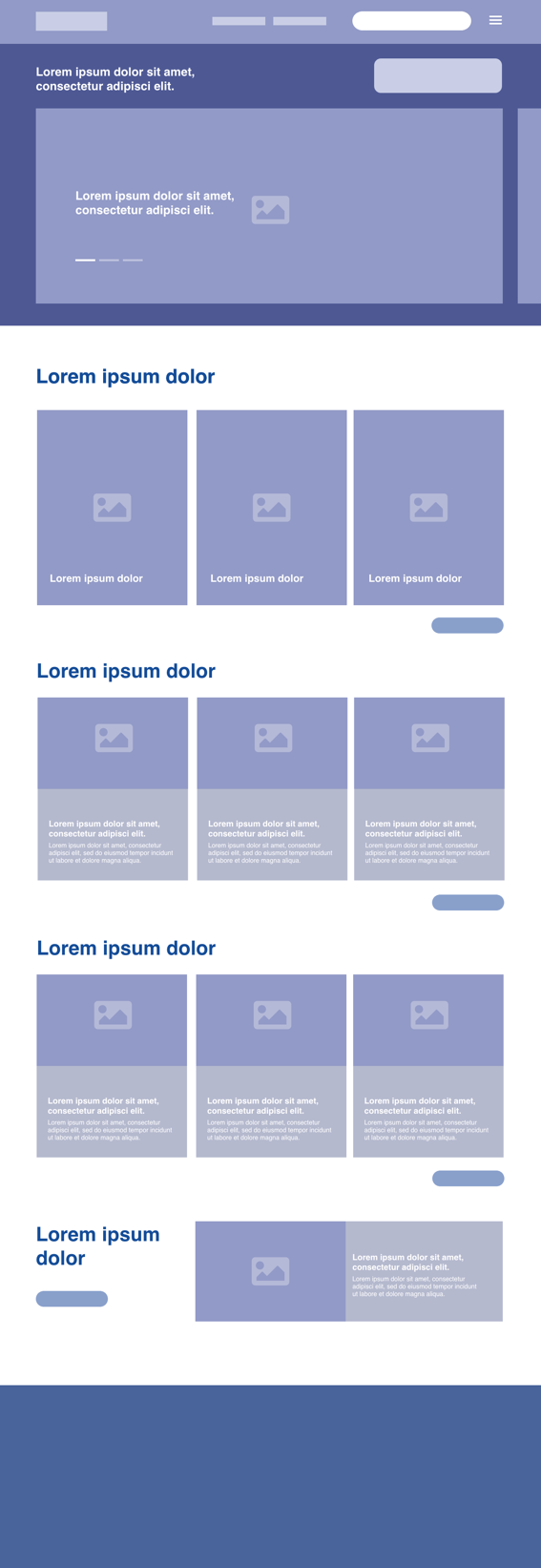
Based on the new information architecture, a series of wireframes were created to define page hierarchy, content organization, and navigation patterns.
The goal was to validate the structure before moving into visual design, ensuring that users could easily access relevant information while minimizing cognitive load.
The wireframes also explored the integration of personalized content and user-specific pathways identified during the research phase.
The following screens showcase selected examples of the proposed layouts and interaction patterns

06 // MOCKUPS & PROTOTYPE
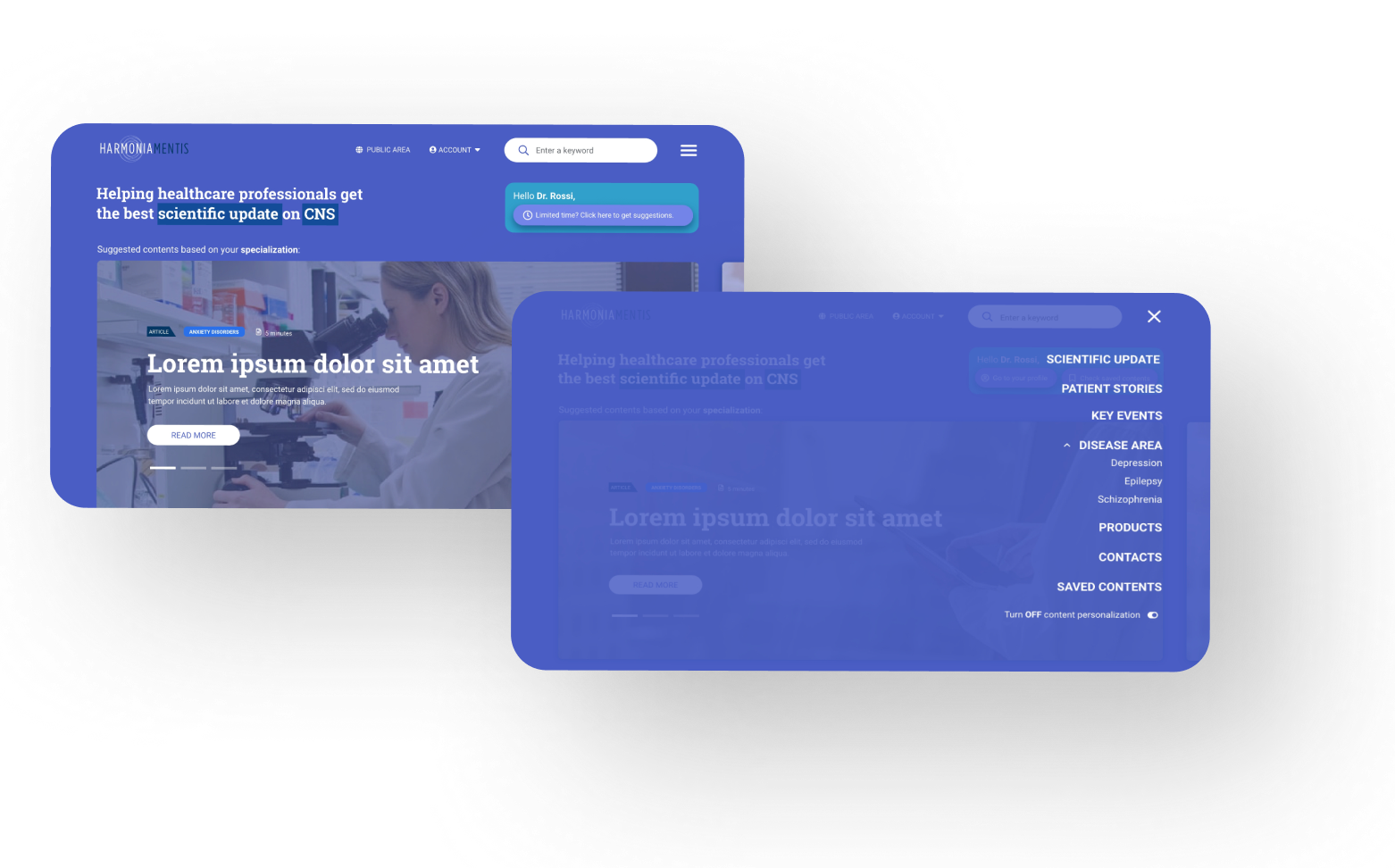
The Design System and visual language were applied to the wireframes to create a navigable high-fidelity prototype.
Particular attention was given to readability, content hierarchy, and consistency across the platform.
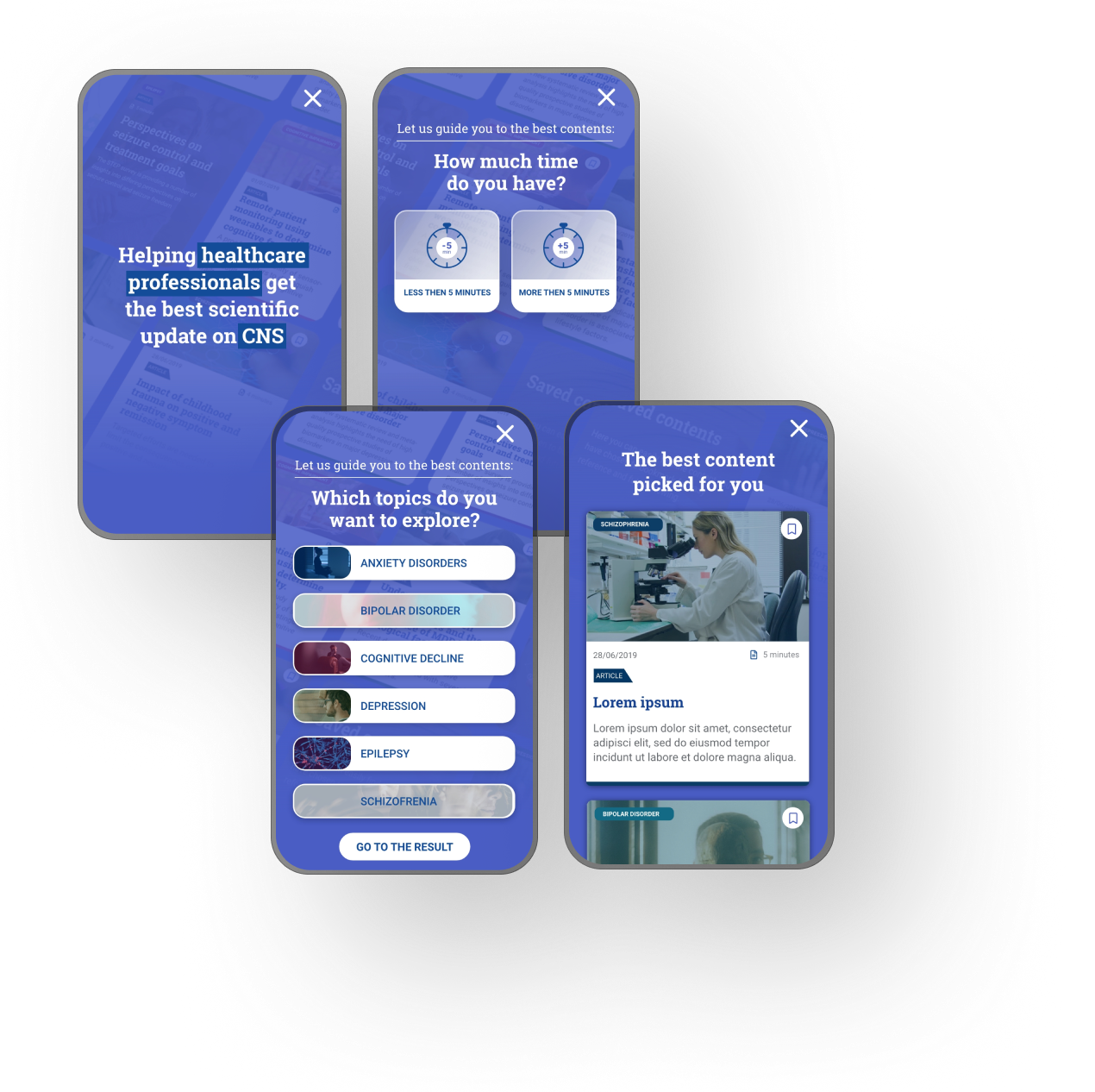
One of the key features introduced was a content personalization tool. Through a short onboarding questionnaire, users could define their professional interests and receive tailored content recommendations based on their specialty and needs.
The prototype provided a realistic representation of the future platform and served as the basis for usability testing.
07 // DESIGN SYSTEM
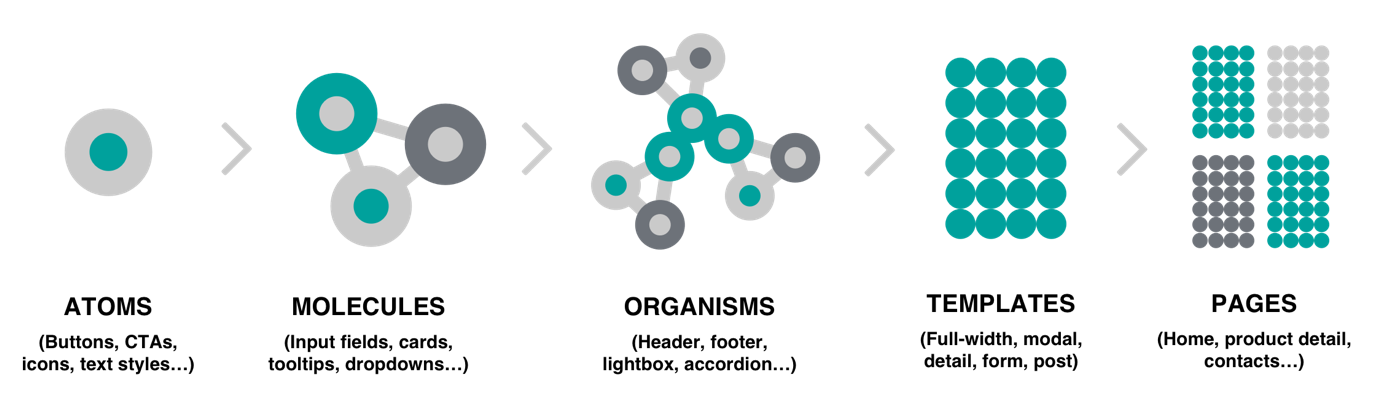
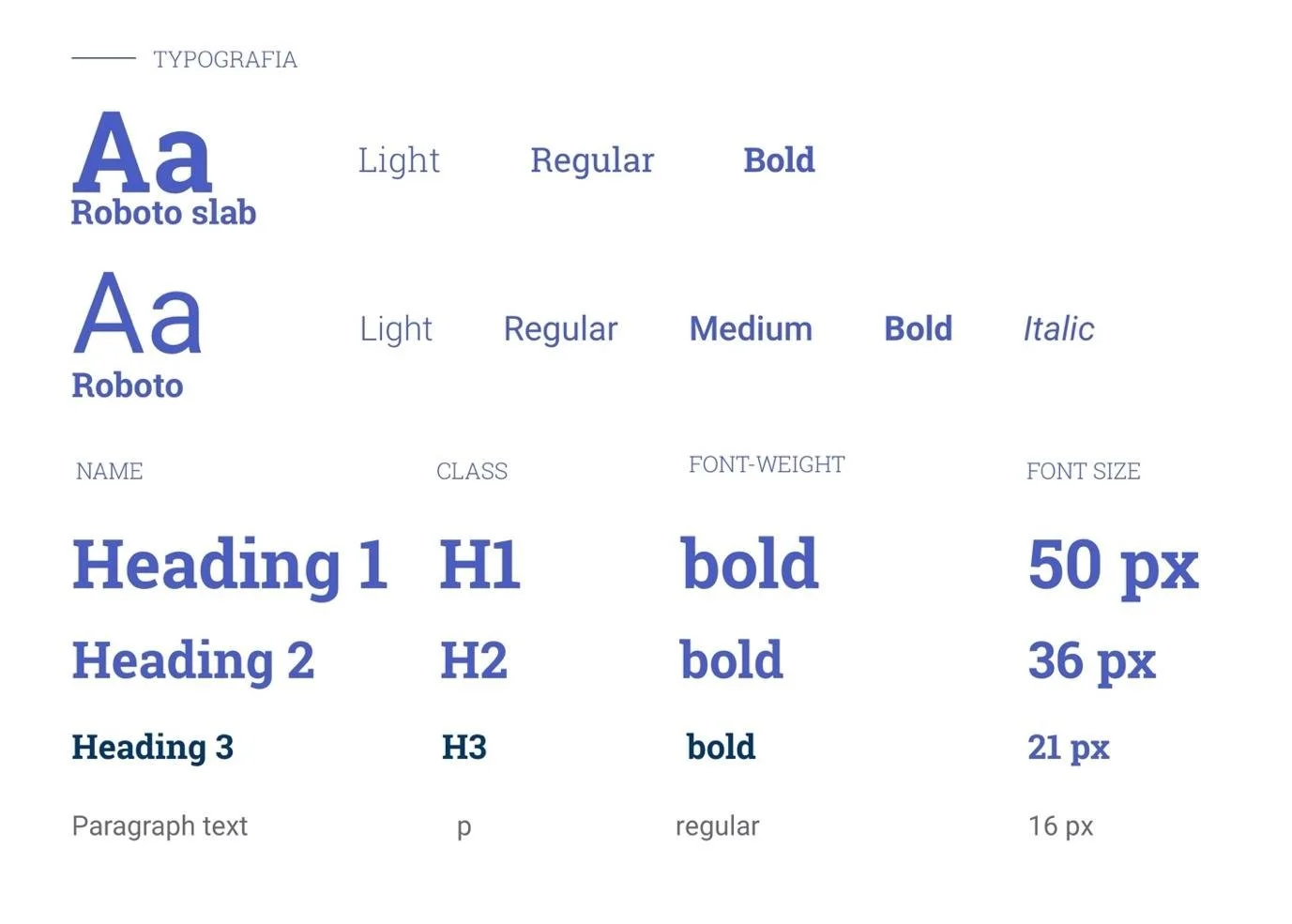
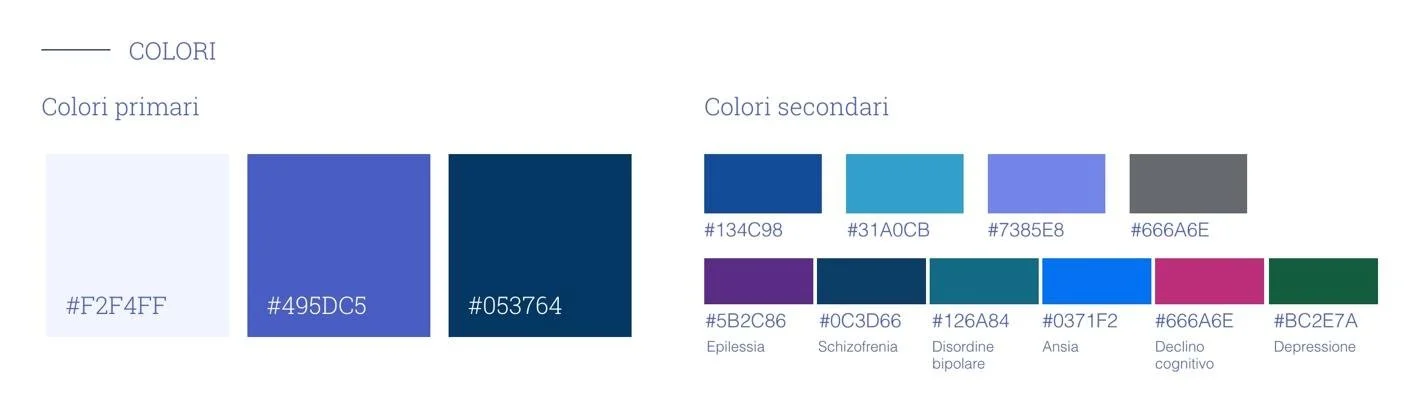
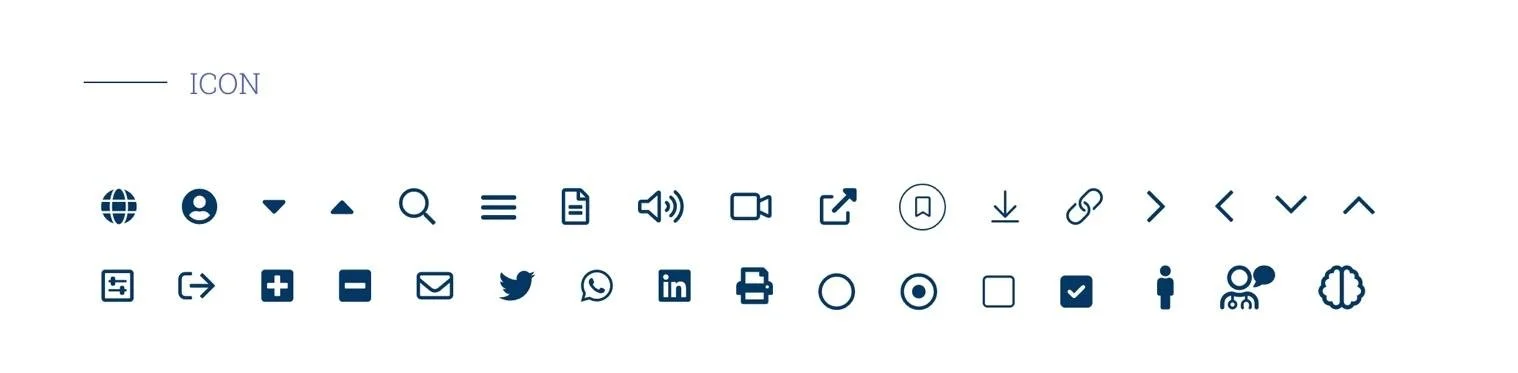
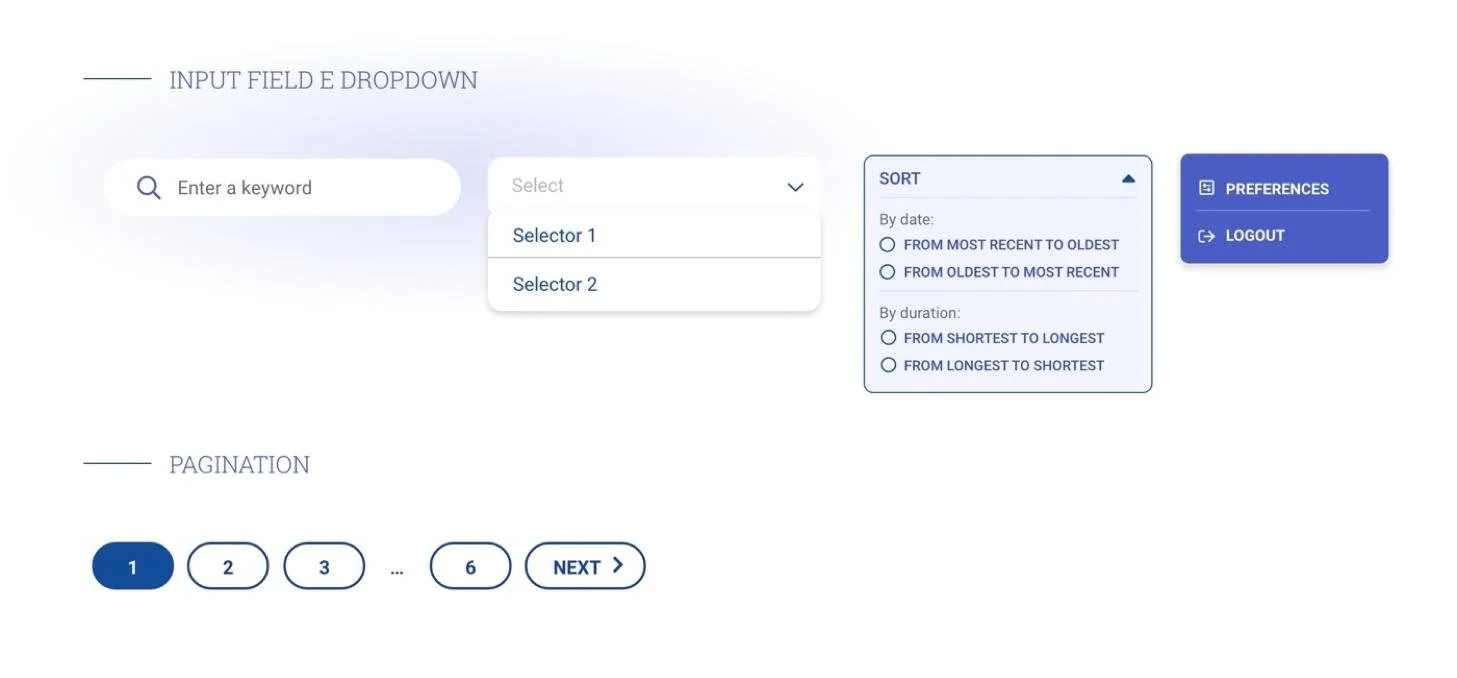
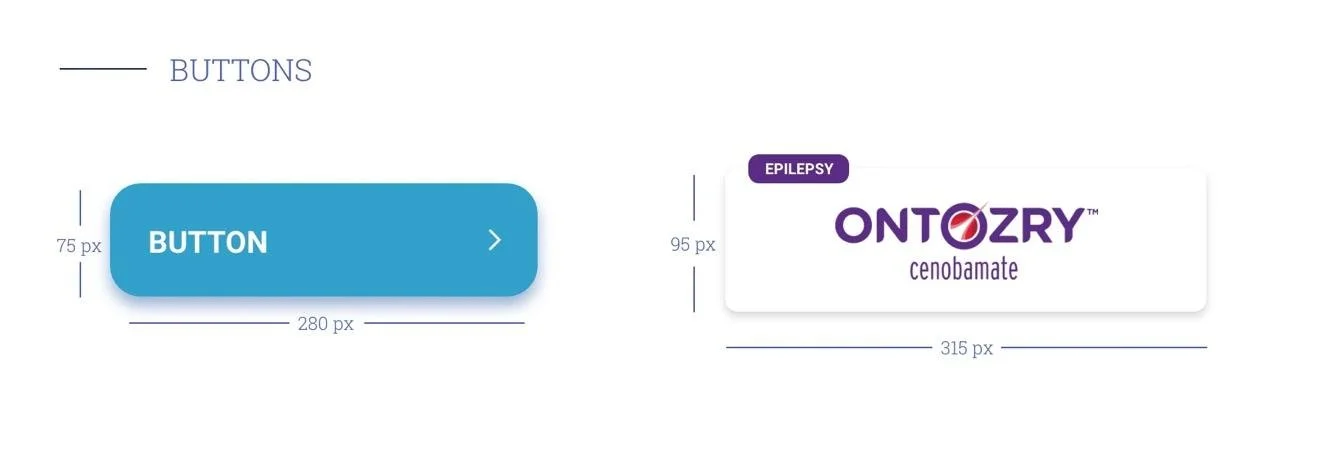
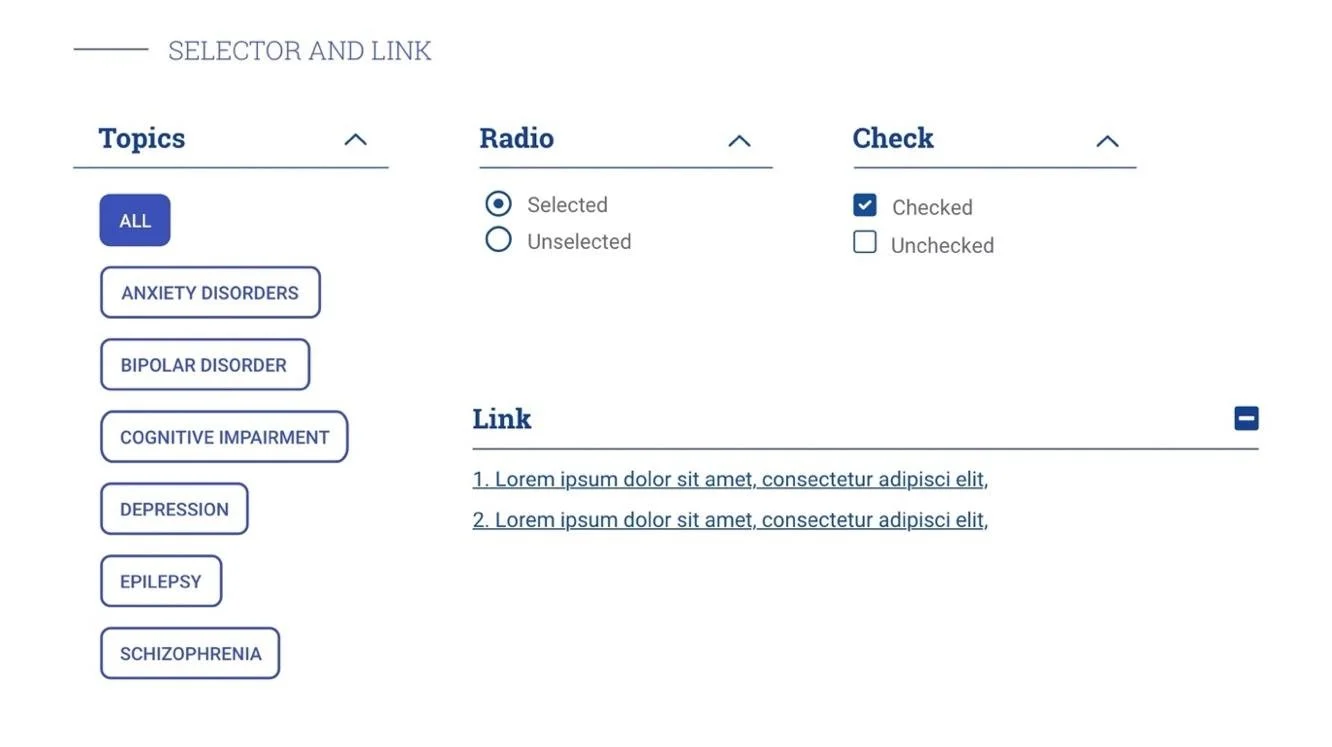
To ensure consistency and scalability across the platform, a modular Design System was developed following an Atomic Design approach.
Starting from foundational elements such as colors, typography, and UI components, the system evolved into reusable patterns and page structures that could support the platform's future growth.
The Design System established a shared language between design and development teams while ensuring consistency across multiple markets and content types.
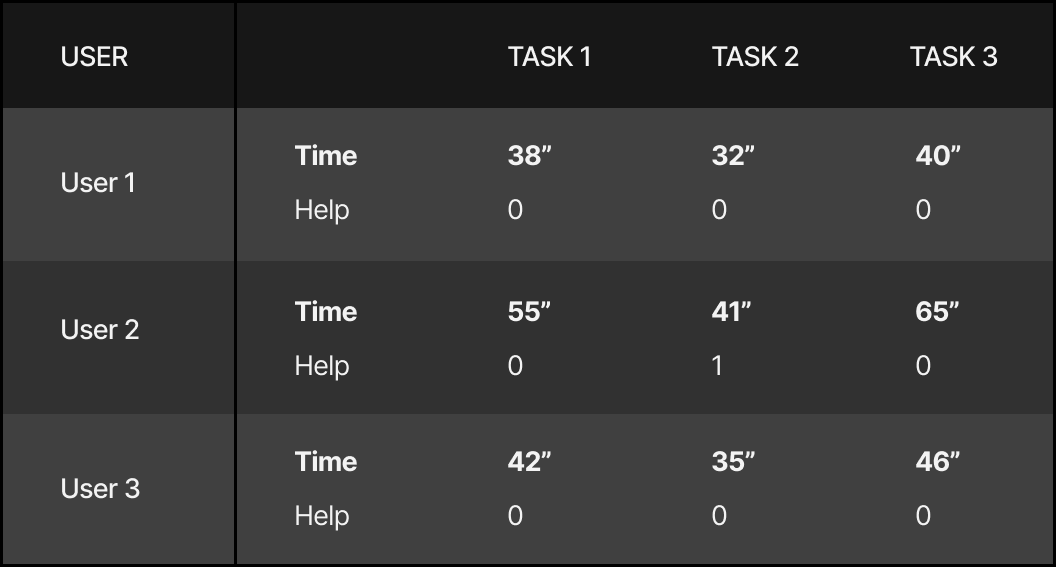
08 // USABILITY TESTING
ThTo validate the proposed solution, moderated usability testing sessions were conducted using the high-fidelity prototype.
The study involved three healthcare professionals representing key target users:
General Practitioner
Psychiatrist
Pediatrician
Participants were first asked to freely explore the homepage using the think-aloud methodology and were then asked to complete three predefined tasks:
Save a case study to bookmarks
Register for an event
Use the content personalization tool
For each task, completion rate, completion time, and number of clicks were measured.
Key Findings
Users quickly understood the overall navigation structure.
The personalization tool was perceived as valuable and relevant.
Event registration was completed successfully by all participants.
Some secondary actions required greater visual emphasis to improve discoverability.
Overall, the testing phase validated the majority of the design decisions established during the discovery and planning stages.
The testing phase allowed us to validate most of the design decisions made during the project planning stage following the workshops.